

Therapeutic & Psycho-Therapy Sessions

Therapeutic and Psycho-Therapy Sessions for Emotional and Mental Well-Being

At Rehabilitation Psychological Clinic, our Therapeutic and Psycho-Therapy Sessions are designed to support individuals dealing with emotional challenges, relationship concerns, and complex mental health issues. We believe that mental well-being is foundational to a fulfilling life, and our structured therapy programs focus on understanding thoughts, emotions, and behaviors in a safe, supportive, and confidential environment.
Our approach to emotional therapy is holistic and evidence-based, addressing not just symptoms but the underlying causes of emotional distress. Whether someone is facing anxiety, stress, mood disturbances, or interpersonal conflicts, our therapy sessions help individuals develop healthier coping mechanisms and emotional resilience. Each session is tailored to the client’s unique needs, ensuring that therapy is both effective and empowering.
We also recognize that seeking help can feel overwhelming. That is why our process for booking a counselling appointment is simple and client-friendly, allowing individuals and families to take the first step toward healing with confidence. Through structured sessions, compassionate listening, and clinically guided techniques, we help clients navigate emotional struggles and improve overall psychological well-being.

Cognitive Behavioral Therapy (CBT)

Cognitive Behavioral Therapy is one of the most effective and widely used psychotherapeutic approaches for addressing a wide range of mental health issues, including anxiety, depression, stress, and behavioral concerns. At Rehabilitation Psychological Clinic, CBT focuses on helping individuals identify unhelpful thought patterns, challenge distorted thinking, and replace negative beliefs with healthier perspectives.
By understanding the connection between thoughts, emotions, and behaviors, individuals learn practical strategies to manage emotional responses more effectively. CBT sessions emphasize goal-oriented techniques, skill-building, and real-life application, enabling clients to experience measurable improvements in emotional stability and daily functioning. Over time, this structured form of emotional therapy empowers individuals to regain control over their mental health and build long-term resilience.

Talk Therapy

Talk Therapy provides a non-judgmental and empathetic space where individuals can openly express their thoughts, feelings, and concerns. This therapeutic approach is particularly beneficial for those experiencing emotional overwhelm, life transitions, grief, or challenges related to counselling relationship dynamics.
At Rehabilitation Psychological Clinic, Talk Therapy encourages self-reflection, emotional awareness, and personal insight. Through guided conversations, clients can process unresolved emotions, gain clarity on personal struggles, and develop healthier emotional responses. This form of emotional therapy fosters trust and emotional safety, helping individuals feel heard and supported as they work toward healing and self-growth.

Applied Behavioral Analysis (ABA)

Applied Behavioral Analysis is a structured therapeutic approach that focuses on understanding and improving behavior patterns. ABA is especially effective for individuals with developmental disorders and behavioral challenges, helping them acquire new skills and reduce behaviors that interfere with daily functioning.
At Rehabilitation Psychological Clinic, ABA therapy emphasizes positive reinforcement, consistency, and measurable progress. By breaking down complex behaviors into manageable steps, individuals gradually learn adaptive skills that enhance independence, communication, and emotional regulation. This methodical approach supports individuals and families in managing long-term mental health issues while promoting meaningful behavioral change.

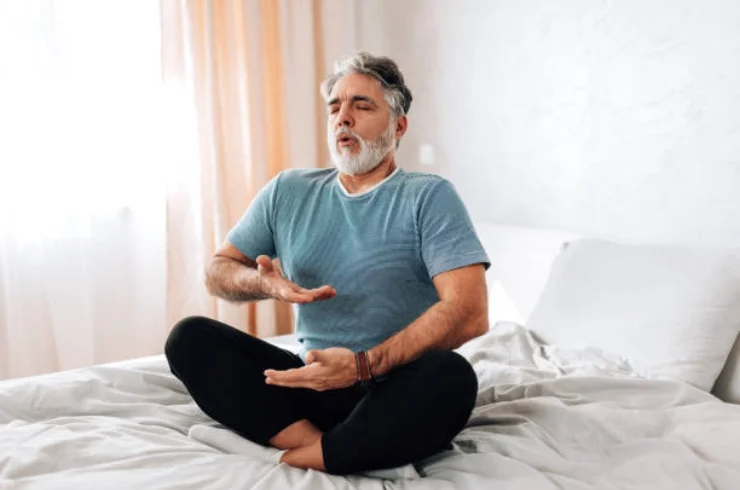
Deep Breathing Relaxation Exercises

Stress and anxiety often manifest physically, leading to muscle tension, restlessness, and emotional imbalance. Deep Breathing Relaxation Exercises are simple yet powerful techniques used in emotional therapy to calm the nervous system and restore balance.
Our sessions guide individuals through controlled breathing patterns that encourage relaxation, reduce anxiety, and improve emotional regulation. These exercises are especially beneficial for individuals dealing with stress, panic symptoms, or sleep disturbances. Practicing deep breathing regularly can enhance mindfulness, improve focus, and support emotional stability in daily life.

Jacobson’s Progressive Muscle Relaxation (JPMR)

Jacobson’s Progressive Muscle Relaxation is a scientifically supported technique that involves systematically tensing and relaxing different muscle groups. This method helps individuals become more aware of physical tension and release stress effectively.
At Rehabilitation Psychological Clinic, JPMR is integrated into therapy sessions to support individuals dealing with anxiety, stress-related mental health issues, and psychosomatic symptoms. By promoting physical relaxation, this technique also improves mental clarity, emotional calmness, and overall well-being. Regular practice helps individuals develop greater control over stress responses and physical discomfort.

Graded Imagery

Graded Imagery is a therapeutic technique used to help individuals gradually confront anxiety-provoking situations in a controlled and supportive manner. This approach is particularly useful for managing phobias, trauma-related stress, and avoidance behaviors.
At Rehabilitation Psychological Clinic, Graded Imagery sessions are carefully structured to ensure emotional safety while building coping skills over time. By visualizing and gradually engaging with challenging scenarios, individuals learn to reduce fear responses and strengthen emotional resilience. This method supports long-term improvement in emotional regulation and confidence.

Supporting Emotional Growth Through Therapy

Psycho-Therapy Sessions at Rehabilitation Psychological Clinic are designed to empower individuals, strengthen emotional awareness, and improve overall mental well-being. Whether someone is seeking help for personal struggles, relationship concerns, or complex psychological challenges, our integrated therapy approaches offer structured support and compassionate care.
By addressing emotional needs holistically and offering accessible counselling appointment options, we help individuals take meaningful steps toward emotional balance, healthier relationships, and improved quality of life.

Call to Action

Book your counselling appointment today at Rehabilitation Psychological Clinic and take the first step toward emotional clarity, healing, and lasting mental well-being.

Frequently Asked Questions

1. What is emotional therapy/emotion-focused therapy and who can benefit from it?
Emotional therapy/emotion-focused therapy helps individuals understand, process, and regulate their emotions in a healthy way. It is beneficial for people experiencing stress, anxiety, mood changes, trauma, or emotional imbalance. This therapy supports emotional awareness, improves coping skills, and enhances overall psychological well-being across different age groups.
A strong counselling relationship built on trust, empathy, and open communication significantly improves therapy outcomes. When clients feel safe and understood, they are more likely to share concerns honestly, engage actively in sessions, and apply therapeutic strategies effectively in their daily lives.
Booking a counselling appointment is a simple process that typically involves contacting the clinic, sharing basic concerns, and scheduling a suitable time. Early appointments help assess emotional needs, set therapy goals, and create a personalized treatment plan for consistent mental health support.
Yes, therapy plays a crucial role in managing long-term mental health issues such as anxiety disorders, depression, behavioral challenges, and emotional trauma. Through structured sessions, individuals learn coping strategies, emotional regulation skills, and behavioral techniques that support long-term psychological stability.
Relaxation techniques are commonly included in emotional therapy sessions to help reduce stress and anxiety. Methods like deep breathing and progressive muscle relaxation calm the nervous system, improve emotional balance, and enhance the effectiveness of overall therapeutic treatment plans.