

How Rehabilitation Psychology Supports Recovery After Injury or Illness
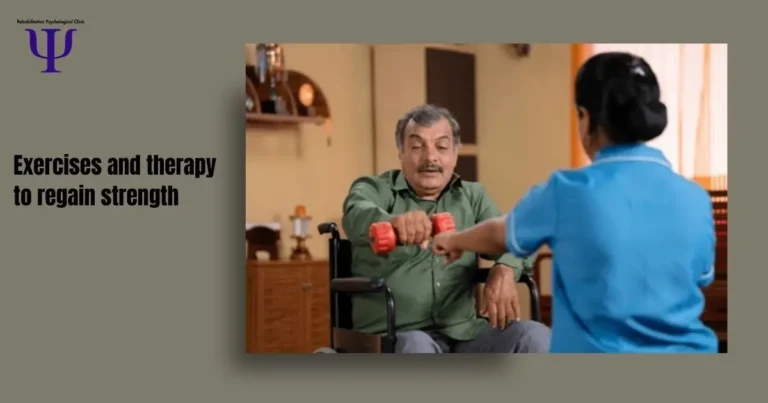
Recovering from a serious injury or illness involves much more than physical healing. Emotional resilience, mental strength, and the ability to adapt to life changes play a crucial role in the recovery journey. Rehabilitation psychology focuses on helping individuals rebuild their mental and emotional wellbeing during this process. One of the most important elements in this journey is the counselling relationship, which creates a safe and supportive environment where individuals can openly discuss their fears, frustrations, and goals for recovery.
Understanding Rehabilitation Psychology
Rehabilitation psychology is a specialized field that helps individuals cope with the emotional and psychological challenges that often follow injuries, chronic illnesses, or major medical treatments. When people experience life-altering health conditions, they may struggle with stress, anxiety, loss of independence, or uncertainty about the future.
A trained psychologist works with patients to address these emotional challenges while supporting their adjustment to new circumstances. The goal is not only to improve mental health but also to enhance overall quality of life and encourage active participation in rehabilitation programs.
The Emotional Impact of Injury or Illness
Physical injuries and illnesses often bring emotional changes that many people do not expect. Individuals may experience sadness, anger, fear, or a sense of helplessness during recovery. These emotions can sometimes lead to deeper mental health concerns if they are not addressed properly.
This is where professional mental health support becomes essential. Through guided conversations and therapeutic techniques, individuals can explore their feelings and develop healthier coping strategies. In many cases, professionals may recommend depression therapy to help individuals manage persistent sadness, low motivation, or feelings of isolation that can occur during long recovery periods.
The Role of Therapy in the Recovery Process
Therapy is a powerful tool in helping individuals regain confidence and emotional stability. During a structured counselling appointment, individuals have the opportunity to discuss their experiences, challenges, and personal goals with a trained professional.
These sessions often focus on :
- Building emotional resilience
- Developing coping strategies for stress and anxiety
- Improving self-esteem and confidence
- Learning ways to adapt to physical limitations
- Strengthening motivation for rehabilitation activities
Regular sessions can help individuals stay focused on their recovery goals while reducing emotional distress that might otherwise slow down the healing process.
Building Confidence and Resilience
One of the primary goals of rehabilitation psychology is helping individuals regain control over their lives. Many people feel overwhelmed after a major injury or illness, especially when they face lifestyle changes or physical limitations.
Therapy encourages individuals to shift their mindset from frustration to empowerment. By identifying personal strengths and focusing on achievable goals, patients can gradually rebuild their confidence. Support from a mental health professional also helps individuals manage setbacks and maintain a positive outlook during challenging stages of recovery.
Additionally, family members and caregivers often benefit from guidance as well. Understanding the emotional needs of someone in recovery can improve communication and strengthen support systems at home.
Why Professional Support Matters
Seeking psychological support during rehabilitation is not a sign of weakness – it is a proactive step toward complete recovery. Emotional wellbeing directly influences physical healing, motivation, and overall life satisfaction.
Mental health professionals work alongside medical teams to ensure that patients receive holistic care. By addressing both physical and psychological needs, rehabilitation psychology plays a vital role in helping individuals move forward after difficult health experiences.
Final Thoughts
Recovery after injury or illness is a journey that requires patience, resilience, and emotional support. Through professional guidance and therapeutic strategies, rehabilitation psychology helps individuals rebuild confidence, manage emotional challenges, and adapt to new circumstances. A strong counselling relationship provides the foundation for this healing process, offering trust, understanding, and encouragement at every stage of recovery. Clinics such as Rehabilitation Psychological Clinic focus on providing compassionate psychological support that empowers individuals to regain control of their lives and move forward with renewed strength.
FAQs
1. What is rehabilitation psychology and who can benefit from it?
Rehabilitation psychology focuses on helping individuals manage the emotional and psychological effects of injuries, chronic illnesses, or disabilities. A qualified psychologist works with patients to improve coping skills, emotional wellbeing, and overall quality of life during their recovery journey.
2. How does therapy help after a serious injury or illness?
Therapy provides a structured environment where individuals can express emotions, understand challenges, and develop coping strategies. It helps reduce stress, improve motivation, and support long-term adjustment to lifestyle changes that may occur after injury, surgery, or chronic illness.
3. When should someone consider depression therapy during recovery?
If a person experiences prolonged sadness, loss of interest in daily activities, low energy, or feelings of hopelessness during recovery, seeking depression therapy can be beneficial. Early intervention helps individuals regain emotional stability and stay motivated throughout the rehabilitation process.
4. What happens during a counselling session for rehabilitation support?
During a counselling appointment, individuals discuss emotional challenges, recovery goals, and personal experiences related to their condition. The therapist provides guidance, coping techniques, and practical strategies to manage stress while encouraging a positive mindset during physical and emotional healing.
5. Can family members be involved in the rehabilitation counselling process?
Yes, family involvement can be very helpful during rehabilitation. Therapists often guide families on how to provide emotional support, improve communication, and understand the challenges faced by their loved ones, creating a stronger support system throughout the recovery journey.