

Relationship Counselling Services
- Home
- Counselling Services
- Relationship Councelling Services
Relationship Councelling
Relationship Counselling Services for Healthier Communication and Emotional Well-Being | Rehabilitation Psychological Clinic
Relationships can experience emotional stress, communication difficulties, trust concerns, and unresolved conflicts at different stages of life. Professional relationship counselling support helps individuals and couples better understand emotional patterns, strengthen communication, and develop healthier ways to manage challenges together. At Rehabilitation Psychological Clinic, relationship counselling is designed to provide a safe, supportive, and confidential environment where people can openly discuss concerns affecting their emotional connection and overall well-being.
Whether couples are dealing with frequent disagreements, emotional distance, family pressures, or long-standing interpersonal conflicts, structured therapy sessions can help improve understanding and encourage positive relationship growth. Seeking professional support early can also prevent unresolved issues from contributing to long-term emotional strain and broader mental health issues.
Understanding Relationship counselling Support for Emotional and Personal Growth
Professional relationship counselling services help couples and individuals identify unhealthy communication patterns, manage emotional conflicts, and improve interpersonal understanding. Relationship counselling focuses on emotional awareness, conflict resolution, trust rebuilding, and healthy coping strategies while supporting overall psychological well-being in a structured therapeutic setting.
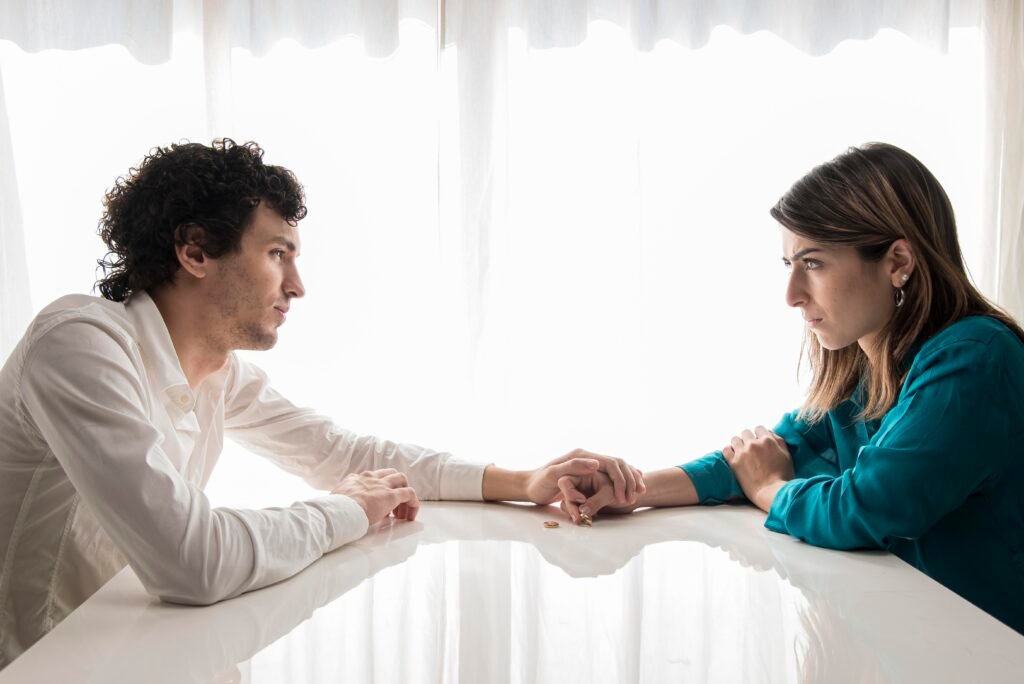
When Relationship Counselling May Be Helpful
Every relationship experiences occasional challenges, but persistent emotional strain can begin affecting daily functioning, communication quality, and personal mental health. Relationship counselling may be beneficial when couples or individuals experience:
- Constant misunderstandings or arguments
- Emotional disconnection
- Difficulty expressing thoughts or feelings
- Trust or commitment concerns
- Family or parenting conflicts
- Stress caused by life transitions
- Anxiety linked to relationship instability
Professional support can help individuals understand emotional triggers while creating healthier patterns of interaction and emotional regulation.

Common Issues Addressed in Relationship Counselling
Relationship counselling supports people facing a wide range of emotional and interpersonal concerns. At Rehabilitation Psychological Clinic, therapy sessions are tailored according to individual circumstances and relationship dynamics
Communication Difficulties
Poor communication often leads to misunderstandings, frustration, and emotional distance. Therapy helps couples develop active listening skills, healthier communication habits, and constructive emotional expression.
Trust and Emotional Security
Trust issues may arise after dishonesty, emotional withdrawal, or repeated misunderstandings. Relationship counselling encourages honest conversations and supports emotional rebuilding through guided therapeutic techniques.
Stress and Emotional Overload
External stress from work, finances, parenting responsibilities, or social pressures can impact relationships significantly. Emotional stress may also contribute to broader mental health issues, including anxiety, sleep disturbances, and emotional burnout.
Relationship Transitions
Marriage, parenthood, relocation, career changes, or long-distance situations can create emotional pressure within relationships. Professional support helps individuals adapt more effectively during periods of adjustment and uncertainty.
Benefits of Professional Relationship Counselling
Seeking professional therapy offers both emotional and practical benefits for individuals and couples experiencing relationship concerns.
Improved Communication
Counselling helps people communicate more openly, respectfully, and effectively while reducing emotionally reactive behaviour patterns.
Emotional Awareness
Therapy sessions encourage individuals to better understand emotional responses, attachment patterns, and behavioural triggers that may affect relationships negatively.
Conflict Resolution Skills
Professional guidance helps couples learn healthier ways to manage disagreements and reduce recurring conflicts without emotional escalation.
Stronger Emotional Connection
Relationship counselling creates opportunities for emotional reconnection, empathy, and mutual understanding through structured therapeutic conversations.
Relationship Transitions
Relationship difficulties can influence stress levels, confidence, mood stability, and emotional resilience. Early therapeutic support may help reduce the impact of unresolved relationship strain on overall mental health.
Personalised Therapeutic Approach at Rehabilitation Psychological Clinic
At Rehabilitation Psychological Clinic, therapy sessions are conducted in a compassionate, confidential, and judgment-free environment. Every relationship is unique, which is why counselling approaches are customised according to emotional needs, communication styles, and individual concerns.
The clinic focuses on evidence-based therapeutic methods that support emotional clarity, interpersonal growth, and practical coping strategies. Sessions may involve individual counselling, couple therapy, emotional assessment, and guided behavioural interventions depending on the nature of the concerns presented.
Therapists also help individuals recognise how unresolved emotional distress and interpersonal conflicts may contribute to broader mental health issues, including chronic stress, low self-esteem, emotional exhaustion, and anxiety-related symptoms.

Importance of Seeking Support Early
Many individuals delay seeking therapy because they believe relationship difficulties will resolve independently over time. However, unresolved emotional strain may gradually increase stress, resentment, and communication breakdown.
Seeking professional support early can help prevent small concerns from developing into more severe emotional challenges. Relationship counselling encourages healthier emotional habits, improves coping mechanisms, and creates a structured space for honest communication and emotional healing.
Attending a professional counselling appointment can also help individuals gain clarity about personal expectations, emotional boundaries, and long-term relationship goals.
What to Expect During a Counselling Appointment
During an initial counselling appointment, therapists typically discuss emotional concerns, communication patterns, relationship history, and current challenges affecting emotional well-being. Sessions are designed to remain supportive, confidential, and non-judgmental.
Therapists may guide individuals or couples through:
- Emotional exploration
- Communication exercises
- Behavioural observations
- Stress management strategies
- Goal setting for relationship improvement
- Conflict resolution techniques
The therapeutic process is collaborative and aims to support emotional understanding rather than assigning blame.

Building Healthier Relationships Through Professional Support
Healthy relationships require emotional awareness, mutual respect, communication, and ongoing effort. Professional counselling provides structured guidance that helps individuals and couples navigate emotional difficulties more effectively while supporting long-term psychological well-being.
At Rehabilitation Psychological Clinic, relationship counselling focuses on creating supportive therapeutic experiences that encourage emotional growth, resilience, and healthier interpersonal connections. With professional guidance, individuals can better manage emotional challenges, strengthen communication, and improve overall relationship satisfaction.
Book your counselling appointment today at Rehabilitation Psychological Clinic and take the first step towards healthier relationships and emotional well-being.
Frequently Asked Questions
1. When should someone consider relationship counselling?
Relationship counselling may be helpful when communication problems, emotional distance, trust concerns, or recurring conflicts begin affecting daily life and emotional well-being. Early professional support can improve communication patterns, reduce stress, and help individuals develop healthier coping strategies before relationship difficulties contribute to more serious emotional or behavioural concerns
2. What happens during a counselling appointment?
During a professional counselling appointment, therapists discuss emotional concerns, communication patterns, relationship history, and current challenges affecting mental well-being. Sessions are confidential and supportive, helping individuals or couples explore emotional triggers, improve communication, and develop practical coping strategies that support healthier relationships and emotional balance over time
3. Can relationship problems affect mental health?
Yes, unresolved relationship conflicts can contribute to stress, anxiety, emotional exhaustion, sleep disturbances, and other mental health issues. Emotional strain within personal relationships may gradually affect confidence, concentration, and overall emotional stability. Professional counselling helps individuals manage emotional distress while improving communication and interpersonal understanding in healthier ways.
4. Is relationship counselling only for married couples?
No, professional relationship counselling support can benefit married couples, unmarried partners, engaged couples, families, and even individuals experiencing interpersonal difficulties. Relationship counselling focuses on emotional communication, behavioural patterns, conflict resolution, and personal emotional growth regardless of relationship status or stage of the relationship journey.
5. How many counselling sessions are usually required?
The number of therapy sessions varies depending on emotional concerns, communication challenges, and individual therapeutic goals. Some people benefit from short-term support, while others may require ongoing sessions for deeper emotional work. Therapists typically recommend a personalised approach based on relationship dynamics and emotional progress over time.